Platform comparison
| Platform | YES odds | NO odds | Fee | KYC | Settlement | |
|---|---|---|---|---|---|---|
PolyGram Pick polygram.ink |
2% | 98% | 0% (USDC on-chain) | No-KYC up to $1,500 | USDC, auto via UMA oracle | Open on PolyGram → |
Polymarket polymarket.com |
2% | 98% | 0% | Geo-blocked in US/UK/EU | USDC, on-chain | Open on PolyGram → |
Kalshi kalshi.com |
— | — | Up to 7% per trade | US-only, KYC required | USD | Open on PolyGram → |
Betfair Exchange betfair.com |
— | — | 2-5% commission | Full KYC from first trade | GBP / EUR | Open on PolyGram → |
Manifold Markets manifold.markets |
— | — | Play-money (mana) | None — play-money | Mana (no cash-out) | Open on PolyGram → |
Live odds for Polymarket-based markets come from the Polygon order book. Non-Polymarket venues show attributes only; clicking any row opens the market on PolyGram.
Market context
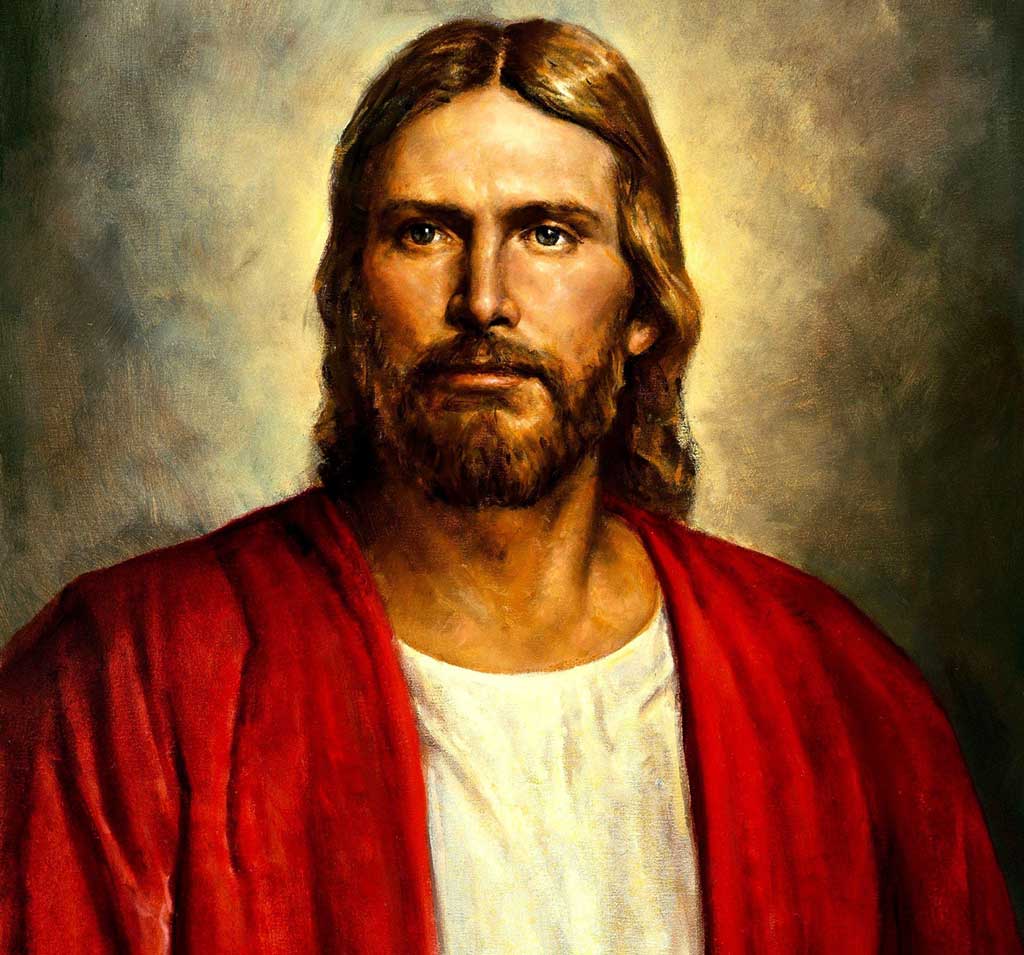
The underlying real-world event is the Second Coming of Jesus Christ, a theological claim that has never been historically verified despite centuries of speculation. Prediction markets like Polymarket now assign a 2% crowd-implied probability to this event occurring before the end of 2026, reflecting traders’ assessment that no credible religious, geopolitical, or cultural developments point to an imminent return[1]. This mirrors the overwhelming 98% consensus for “No,” grounded in the absence of verified apocalyptic signs, unfulfilled end-times predictions, and theological emphasis on the unknown timing of the event[1].
Historically, over three hundred different dates have been predicted for the Second Coming, stretching from the first century to the present, yet none have materialised[7]. These repeated failures frame the current 2% probability not as a genuine forecast of likelihood, but as a speculative long-shot bet akin to a Keynesian beauty contest where traders out-think each other rather than aggregate real information[4]. The market’s track record on similar religious resolutions reinforces this view, as no unprecedented, globally acknowledged event meeting scriptural criteria has occurred to alter sentiment[1].
Traders should monitor announcements of major religious gatherings, geopolitical shifts, or claimed miracles that might temporarily inflate the “Yes” price, though such scenarios remain highly speculative[1]. A recent shift in wagering focus from 2025 to 2026 has already doubled the odds overnight, suggesting liquidity-driven volatility rather than new evidence[5]. With the settlement window closing in 18 months, any price movement will likely stem from time-value-of-money dynamics, where “No” holders sell to free up capital for other bets, potentially elevating the “Yes” price to 6% in a short-term spike[2]. No credible precursor events currently exist to justify a fundamental re-rating[1].
Methodology
Methodologically we separate two layers: the live probability (Polymarket mid-price) and the platform attributes (fee, KYC, settlement currency, payment rails). The odds column is filled only where we have clean data — that avoids the made-up numbers that get a network demoted when search engines cross-check against the source venue.
Resolution & payout
At resolution the UMA oracle takes over: a proposer posts the outcome with a bond, any token holder can dispute within two hours. Without dispute the result is accepted and the smart contract distributes USDC instantly.
On Kalshi (CFTC-regulated) resolution runs through their in-house clearing engine in USD. Betfair Exchange settles after match end in the account's local currency. Manifold pays no cash — only its in-platform "mana" currency.
FAQ
- Where can I trade this market with the lowest fees?
- On PolyGram, which mirrors the Polymarket order book at 0% fees. Kalshi charges up to 7% per trade; Betfair Exchange takes 2-5% commission on net winnings.
- How does resolution work?
- Through the UMA Optimistic Oracle on Polygon: a proposer submits the outcome, a two-hour challenge window opens, and USDC payouts settle automatically once the result is final.
- What's the difference between YES and NO shares?
- A YES share pays $1.00 if the event happens, $0 otherwise. A NO share pays $1.00 if the event doesn't happen. The market price between 0¢ and 100¢ is the implied probability.
- What does it cost to trade on PolyGram?
- Zero. PolyGram routes every order to the live Polymarket order book; the only cost is the Polygon network fee, typically under $0.01 per transaction.
- How fast are USDC deposits?
- Polygon credits deposits after 12 confirmations — usually under 30 seconds. Withdrawals follow the same path and land back in your wallet within minutes.
%22%2F%3E%3Cpath%20d%3D%22M%206%2066%20A%2026%2026%200%200%201%2058%2066%22%20fill%3D%22%23E6B98D%22%20opacity%3D%220.9%22%2F%3E%3Ccircle%20cx%3D%2232%22%20cy%3D%2226%22%20r%3D%2222%22%20fill%3D%22%23F5CBA7%22%2F%3E%3Cpath%20d%3D%22M%2010%2026%20A%2022%2028%200%200%201%2054%2026%22%20fill%3D%22%23f472b6%22%20opacity%3D%220.9%22%2F%3E%3C%2Fsvg%3E) and
and%22%2F%3E%3Cpath%20d%3D%22M%206%2066%20A%2026%2026%200%200%201%2058%2066%22%20fill%3D%22%23E6B98D%22%20opacity%3D%220.9%22%2F%3E%3Ccircle%20cx%3D%2232%22%20cy%3D%2226%22%20r%3D%2222%22%20fill%3D%22%23F5CBA7%22%2F%3E%3Cpath%20d%3D%22M%2010%2018%20Q%2016%204%2026%2010%20Q%2020%202%2032%206%20Q%2044%202%2038%2010%20Q%2048%204%2054%2018%22%20stroke%3D%22%23f472b6%22%20stroke-width%3D%224%22%20fill%3D%22none%22%20stroke-linecap%3D%22round%22%2F%3E%3C%2Fsvg%3E)
Trade Will Jesus Christ return before 2027? on PolyGram
Live order book, 0% fees, USDC settlement in seconds.
Trade on PolyGram →