Platform comparison
| Platform | YES odds | NO odds | Fee | KYC | Settlement | |
|---|---|---|---|---|---|---|
PolyGram Pick polygram.ink |
5% | 95% | 0% (USDC on-chain) | No-KYC up to $1,500 | USDC, auto via UMA oracle | Open on PolyGram → |
Polymarket polymarket.com |
5% | 95% | 0% | Geo-blocked in US/UK/EU | USDC, on-chain | Open on PolyGram → |
Kalshi kalshi.com |
— | — | Up to 7% per trade | US-only, KYC required | USD | Open on PolyGram → |
Betfair Exchange betfair.com |
— | — | 2-5% commission | Full KYC from first trade | GBP / EUR | Open on PolyGram → |
Manifold Markets manifold.markets |
— | — | Play-money (mana) | None — play-money | Mana (no cash-out) | Open on PolyGram → |
Live odds for Polymarket-based markets come from the Polygon order book. Non-Polymarket venues show attributes only; clicking any row opens the market on PolyGram.
Market context
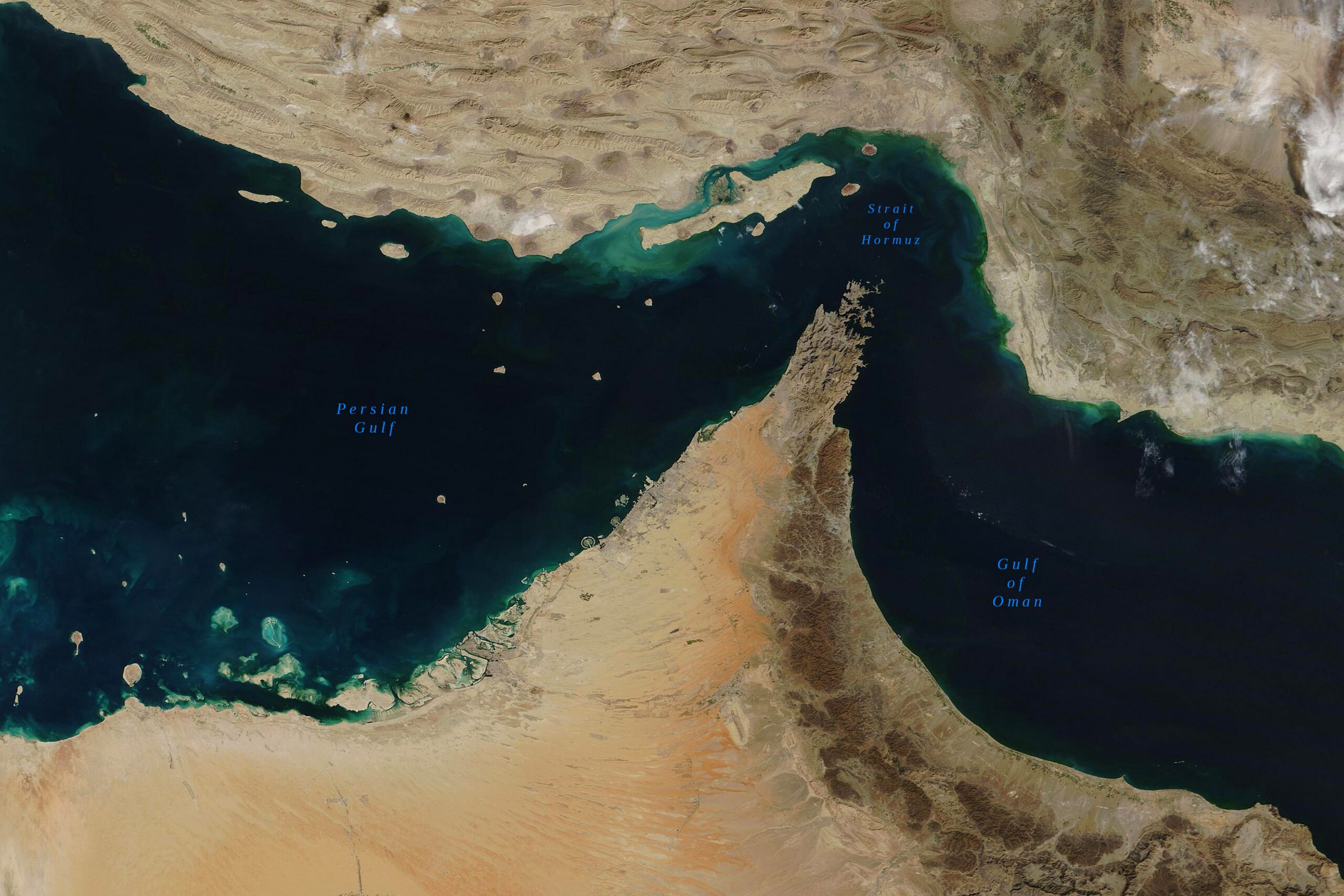
Ships have been unable to pass through the Strait of Hormuz for roughly 100 days due to active conflict between Iran and the United States, effectively closing a route that carries over 20% of global oil. This unprecedented blockade has driven oil prices higher and forced vessels to reroute via the Cape of Good Hope, adding weeks to transit times and tripling freight costs for Gulf-to-Asia shipments. The current 7% market probability reflects the stark reality that the strait remains shut, with Iran maintaining control through asymmetric threats like drones and missiles despite recent peace talks failing to yield a resolution.
Historical precedents for such chokepoint closures show that sustained blockades rarely resolve without a decisive military or diplomatic shift, as seen in past Suez disruptions where traffic only returned after direct intervention. Unlike the Eurovision model where public and jury votes split 50/50 to determine outcomes, this market relies on a binary data trigger from IMF Portwatch, making it akin to an Oscar preferential ballot where a single threshold must be met for a "Yes" resolution. The 7% figure aligns with recent patterns where brief reopenings, such as the 24-hour window on April 21, 2026, were immediately reversed, suggesting that any return to normalcy before June 30 is highly improbable without a ceasefire.
Traders should monitor President Trump’s stated prerequisite that strait reopening is essential for any ceasefire with Tehran, as well as upcoming naval blockade announcements that could further tighten restrictions. Recent reports from NBC News confirm that Iran has implied it laid mines in the strait and continues to impose tolls, while Reuters noted only 25 commercial vessels crossed during a brief reopening on June 18, 2026, far below the 60-ship threshold required for settlement. The dependency on a 7-day moving average of 60 arrivals means that even if traffic picks up slightly, the data lag and current closure make meeting the target by the settlement window unlikely.
Methodology
This page is a comparison snapshot: one live quote (Polymarket), four reference venues with their key attributes, and a single execution path — every trade button routes to PolyGram, which mirrors the Polymarket order book directly.
Resolution & payout
Settlement runs on-chain. Polymarket's contract logic separates YES and NO shares as conditional tokens; at resolution the winning share lifts to $1.00 and the losing one to $0. The outcome input comes from the UMA Optimistic Oracle, which secures against bad resolution with a bond + dispute window.
Once finalised, the smart contract pays USDC to the holders' wallets within minutes — no withdrawal fees beyond Polygon network gas. Kalshi settles in USD via CFTC clearance, Betfair in account currency net of commission, Manifold in play-money mana with no cash-out.
FAQ
- Is this market available outside the US?
- PolyGram is available in most jurisdictions where Polymarket isn't directly accessible. Polymarket itself is geo-blocked in the US/UK/EU. Always check local regulations.
- How does resolution work?
- Through the UMA Optimistic Oracle on Polygon: a proposer submits the outcome, a two-hour challenge window opens, and USDC payouts settle automatically once the result is final.
- What's the difference between YES and NO shares?
- A YES share pays $1.00 if the event happens, $0 otherwise. A NO share pays $1.00 if the event doesn't happen. The market price between 0¢ and 100¢ is the implied probability.
- Do I need to KYC for this market?
- Not under $1,500 of lifetime trading volume. Above that threshold, PolyGram triggers a quick verification flow that finishes in minutes.
- How reliable are the quoted odds?
- The YES/NO percentages are the live mid-prices of the Polymarket order book. On deep markets they move every few seconds; on thinner ones you'll see short plateaus.
%22%2F%3E%3Cpath%20d%3D%22M%206%2066%20A%2026%2026%200%200%201%2058%2066%22%20fill%3D%22%23E6B98D%22%20opacity%3D%220.9%22%2F%3E%3Ccircle%20cx%3D%2232%22%20cy%3D%2226%22%20r%3D%2222%22%20fill%3D%22%23F5CBA7%22%2F%3E%3Cpath%20d%3D%22M%2010%2026%20A%2022%2028%200%200%201%2054%2026%22%20fill%3D%22%23f472b6%22%20opacity%3D%220.9%22%2F%3E%3C%2Fsvg%3E) and
and%22%2F%3E%3Cpath%20d%3D%22M%206%2066%20A%2026%2026%200%200%201%2058%2066%22%20fill%3D%22%23E6B98D%22%20opacity%3D%220.9%22%2F%3E%3Ccircle%20cx%3D%2232%22%20cy%3D%2226%22%20r%3D%2222%22%20fill%3D%22%23F5CBA7%22%2F%3E%3Cpath%20d%3D%22M%2010%2018%20Q%2016%204%2026%2010%20Q%2020%202%2032%206%20Q%2044%202%2038%2010%20Q%2048%204%2054%2018%22%20stroke%3D%22%23f472b6%22%20stroke-width%3D%224%22%20fill%3D%22none%22%20stroke-linecap%3D%22round%22%2F%3E%3C%2Fsvg%3E)
Trade Strait of Hormuz traffic returns to normal by end of… on PolyGram
Live order book, 0% fees, USDC settlement in seconds.
Trade on PolyGram →